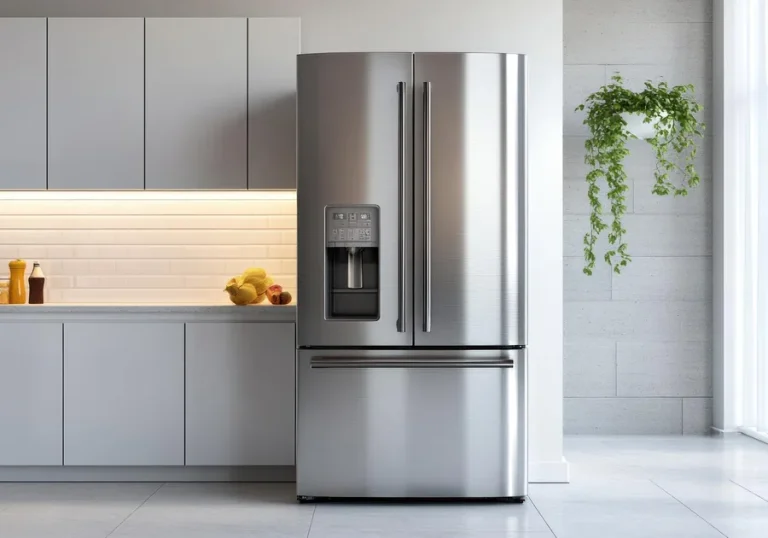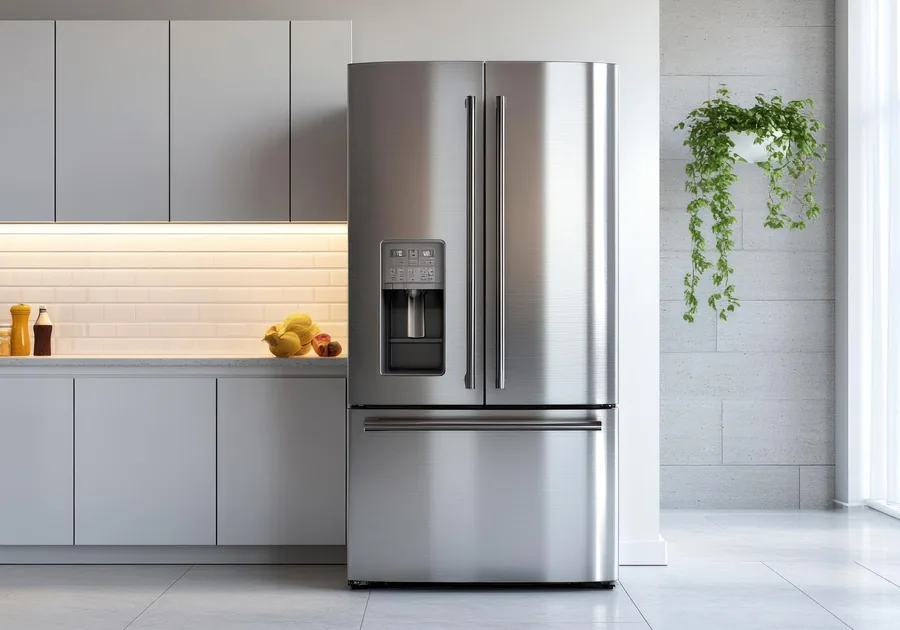
Nearly every house we visit has a second refrigerator or a chest freezer in the garage. Every summer a number of them appear to fail. Most of them have not failed at all: they have been asked to do something they were never rated to do.
Climate class, and why it matters here
Every refrigerator carries a climate class that states the ambient range it was designed for, and most domestic units top out somewhere around 90 degrees. A closed South Florida garage in August sits well above that for hours at a stretch. Past the rated ambient the condenser can no longer shed heat into the air around it, so the compressor simply never stops.
A unit that runs continuously is not broken. It is losing the argument with the room.
What that does over a few seasons
Running continuously wears the compressor and cooks the start relay, which is the part that usually goes first and the one most often mistaken for a dead compressor. It also drives up the electricity bill in a way most people never connect to the garage.
What actually helps
- Give it air. Pull the appliance four inches off the wall and clear the condenser coil. In a garage that coil loads with dust far faster than one in a kitchen, and clearing it twice a year is the single most useful thing you can do.
- Buy a garage-ready model if you are replacing anyway. They are built for the ambient range and cost very little more.
- Ventilate the space if you can. A vent or a fan that moves the hot air out changes the ambient enough to matter.
- Use a freezer rather than a refrigerator in an unconditioned space. A dedicated freezer copes with heat far better than a fridge does.
The salt version of the same problem
On a waterfront property the garage air carries salt as well as heat, and salt finds the condenser first. A rinse twice a year is the difference between a ten-year unit and a six-year one.
If a garage appliance is behaving oddly, say so when you call (561) 276-4169 and describe the space it lives in. It often saves a visit.